Female Fertility
Female Infertility Treatment
Personalised diagnosis and treatment of female-factor infertility — guided by Dr. Ritu Anand, drawing on 13+ years of focused fertility practice across India and the UAE.
Personalised diagnosis and treatment of female-factor infertility — guided by Dr. Ritu Anand, drawing on 13+ years of focused fertility practice across India and the UAE.
Female infertility can stem from a wide range of causes — hormonal, structural, or age-related — and identifying the specific factor is the key to choosing the right treatment. A thorough evaluation, including hormone testing and imaging, usually reveals the cause and the best path forward.
Evaluation and treatment are recommended when a couple has been trying to conceive without success, particularly where:
Every treatment plan starts with pinpointing the actual cause — here are the factors most frequently behind female infertility.
Hormonal imbalances like PCOS often disrupt regular ovulation, but respond well to medication, lifestyle adjustments, and monitored cycles.
Blocked fallopian tubes prevent the egg and sperm from meeting naturally. Imaging identifies blockages, and IVF often bypasses them entirely.
These conditions can affect the uterine environment or egg quality. Treatment ranges from medication to minimally invasive surgery.
As egg quantity and quality decline with age, earlier intervention with IVF or egg freezing can significantly improve outcomes.
A clear, structured evaluation ensures the treatment plan matches the actual cause.
A review of menstrual history, past pregnancies, and lifestyle factors to guide the right tests.
Blood tests assess hormone levels and AMH to understand ovulation patterns and egg reserve.
Ultrasound and, where needed, HSG or laparoscopy assess the uterus, tubes and ovaries for structural issues.
Depending on the cause, this may include medication, minor surgery, IUI, or IVF.
Treatment response is tracked closely, with protocols adjusted cycle to cycle as needed.
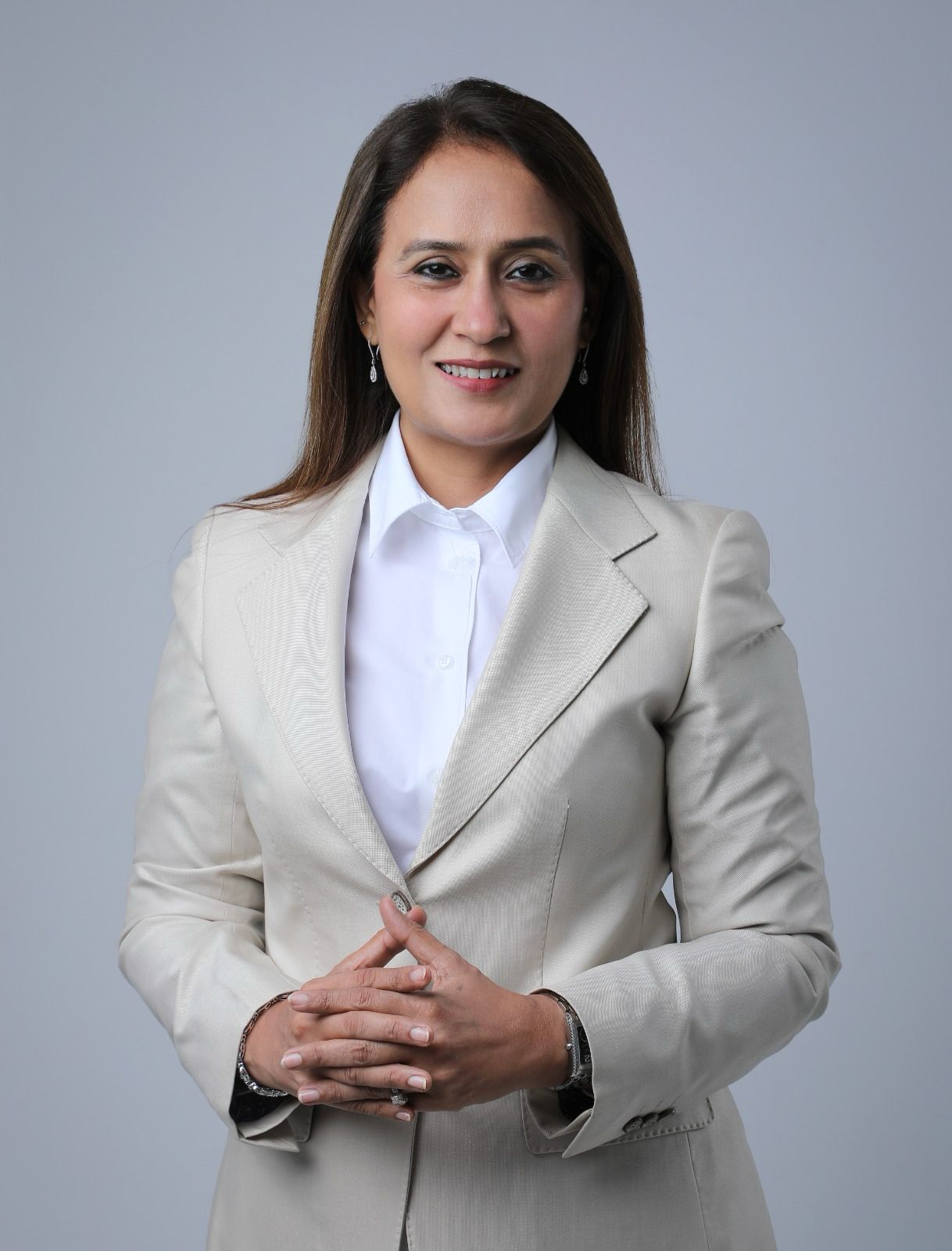
With over 20 years in medicine and 13+ years focused on fertility care, Dr. Ritu Anand has managed complex female-factor cases — including poor ovarian response, recurrent implantation failure and endometriosis — across leading fertility centres in India and the UAE.
Every evaluation looks at the full picture — hormones, structure, and egg reserve — so treatment addresses the actual cause rather than starting with the most invasive option by default.
Book An Appointment →Typically hormone blood tests, an ultrasound to assess the ovaries and uterus, and AMH testing for ovarian reserve. Additional tests like HSG may follow depending on the results.
No — PCOS is one of the most treatable causes of infertility. Most patients respond well to ovulation induction medication and monitored cycles.
Not always. Many cases are managed with medication alone, with surgery reserved for cases significantly affecting fertility or symptoms.
Age affects egg quantity and quality, which can influence timelines and treatment choice — earlier evaluation and, where relevant, egg freezing can help preserve options.
A complete evaluation is the first step to a treatment plan that actually fits your situation — book a consultation today.
Schedule a Consultation →